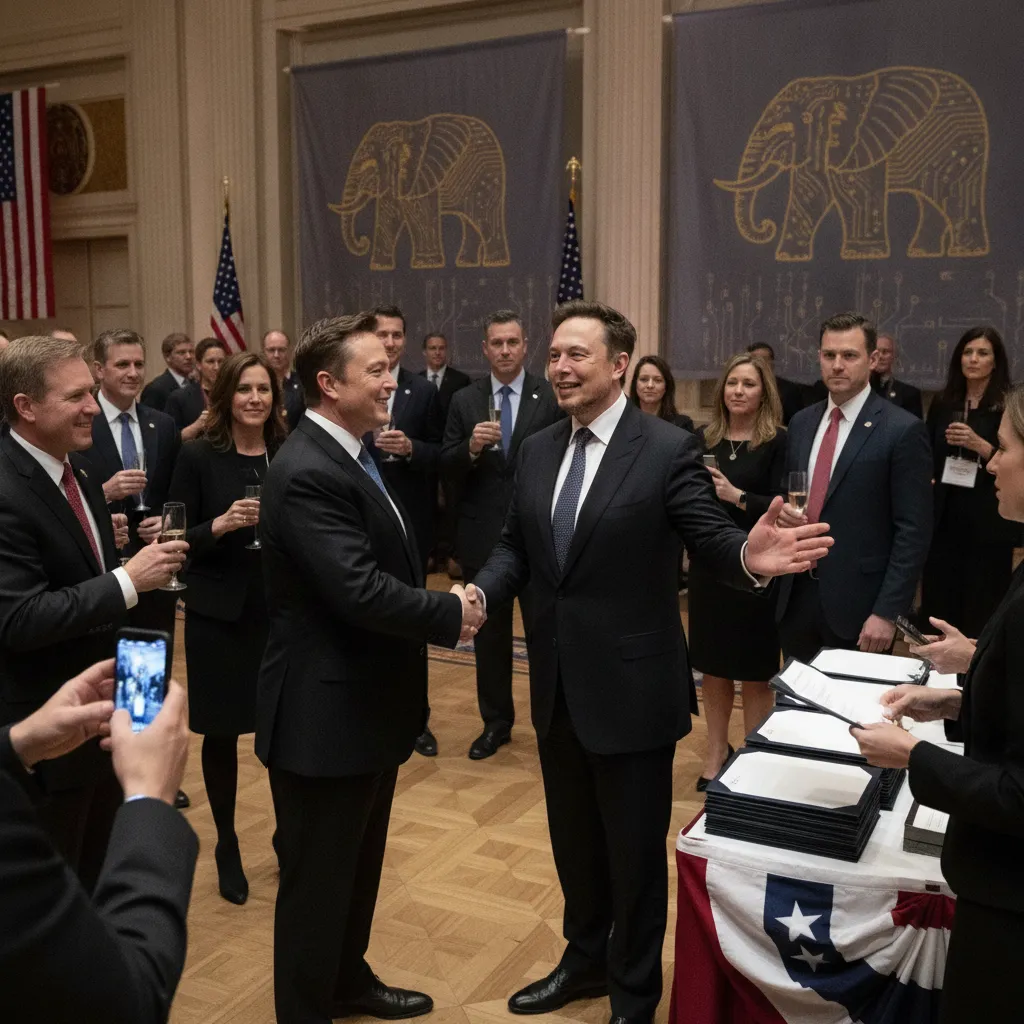
Elon Musk is doubling down on his political investments as the 2026 midterm elections approach, funneling hundreds of millions of dollars into efforts to keep Republicans in control of Congress. According to recently released Federal Election Commission filings, the Tesla CEO donated over 200 million dollars in the quarter ending September 30. This massive financial push follows his substantial support for Donald Trump in 2024 and signals a strategic move to safeguard a legislative environment friendly to his sprawling business interests.
The vast majority of these funds flowed into a few high impact channels, most notably a staggering 158 million dollar contribution to the Senate Leadership Fund. This amount stands as one of the largest single political donations in American history. A significant portion of that capital was quickly redirected toward supporting Texas Republican Ken Paxton, whose race against Democrat James Talarico is viewed as a critical bellwether for GOP power. Between this Super PAC and his own America Pac, Musk has turned Texas into a primary battlefield, reflecting his own decision to migrate SpaceX, Tesla, and X away from California’s stricter regulatory climate.
Beyond personal preference for Texas law, Musk’s spending reflects a wider migration within the tech industry. As public demand grows for tighter government oversight of artificial intelligence and social media platforms, many executives are pivoting toward the Republican Party’s tradition of deregulation. Analysts suggest that figures like Musk and OpenAI’s Greg Brockman are attempting to shape the future regulatory landscape by building deep ties with conservative lawmakers now rather than fighting restrictive laws later.
This trend isn’t limited to AI or electric vehicles; similar patterns are emerging in the cryptocurrency and gambling sectors. By injecting unprecedented sums of cash into campaign coffers, these industry titans are effectively purchasing a seat at the table where rules are written. For Musk, maintaining a government that favors loose restrictions is not just about politics but about ensuring his various companies can operate without the friction of heavy federal or state intervention.