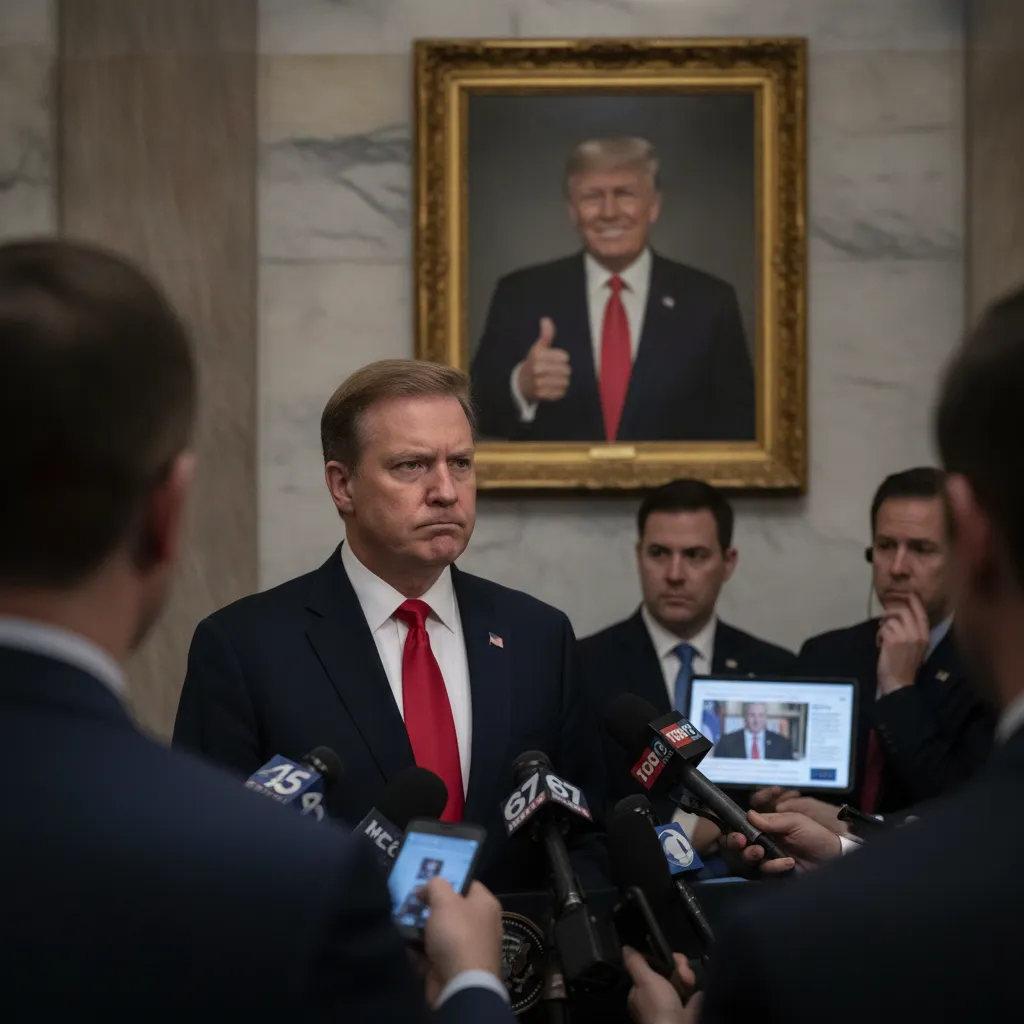
Vice President JD Vance sparked conversation regarding internal administration alignment on Monday when he declined to state whether he endorses Benjamin Netanyahu for reelection. The refusal comes at a sensitive diplomatic moment and creates a visible gap between the Vice President and his superior.
The hesitation is particularly notable because President Donald Trump has already signaled his own support for the Israeli prime minister ahead of upcoming elections. While the president has been vocal about his backing, Vance opted for a more guarded approach during recent questioning, refusing to commit to a similar endorsement.
This divergence suggests a potential nuance in how the two leaders view the current political landscape in Israel. By staying silent on Netanyahu’s future tenure, Vance avoids tying himself to specific foreign leadership outcomes that may be viewed differently by various factions within their own party base.
As the international community watches the unfolding electoral process in Israel, this lack of coordination highlights an interesting dynamic within the executive branch. For now, it remains unclear if this was a calculated strategic move or a sign of deeper disagreement over Middle Eastern policy priorities.